Agriculture, Food Security & WASH Program
At HOCW, we believe that food security, safe water, and gender equality form the foundation of protection, health, and lasting family stability. From January 2020 to October 2022, we ran a multi-sector program across Kampala and Ndejje to strengthen resilience, nutrition, and dignity among refugee and host communities — with support from Slovenia's Ministry of Foreign Affairs, technical partner Forum for Equitable Development, local partner VEDCO, and agricultural experts.
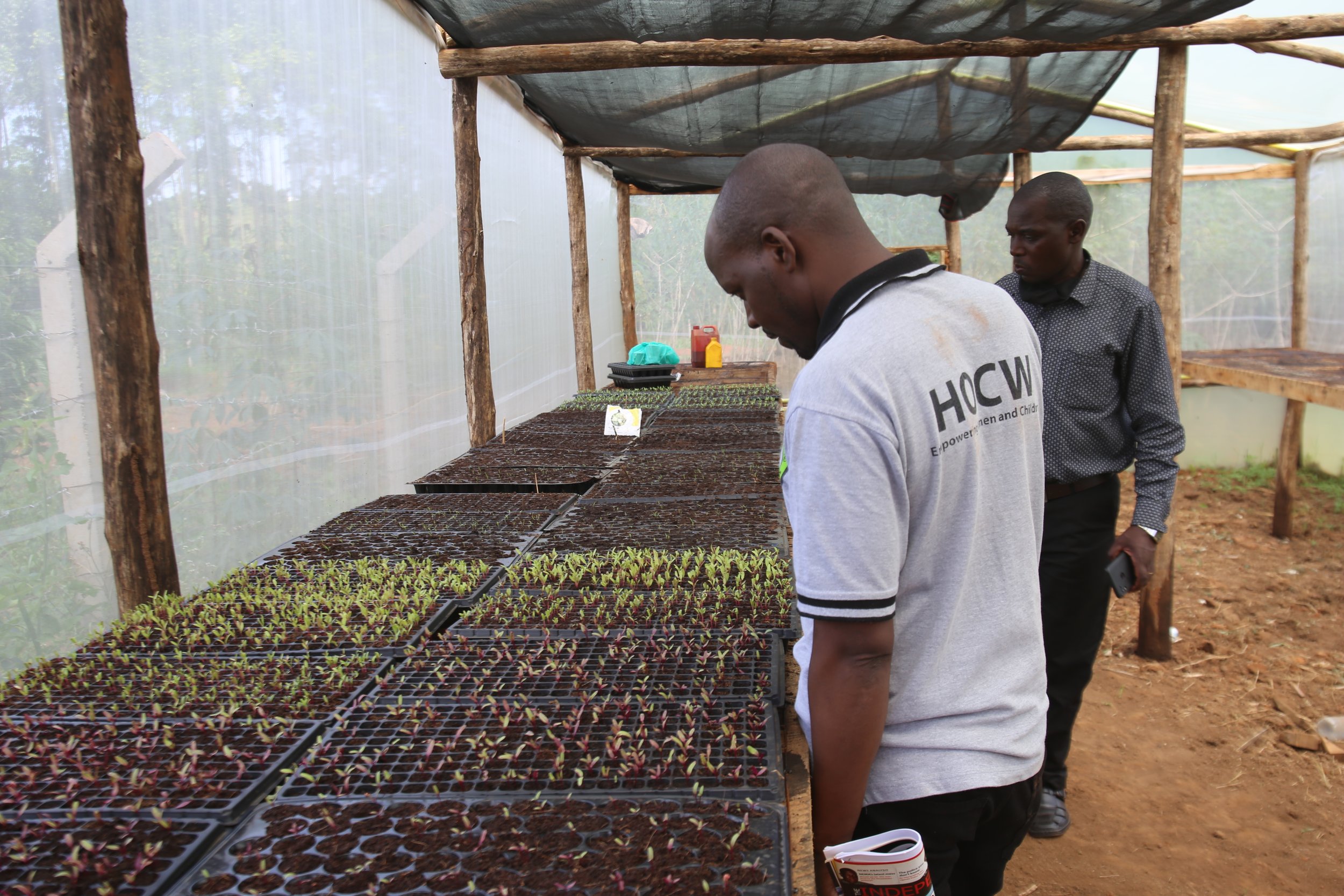
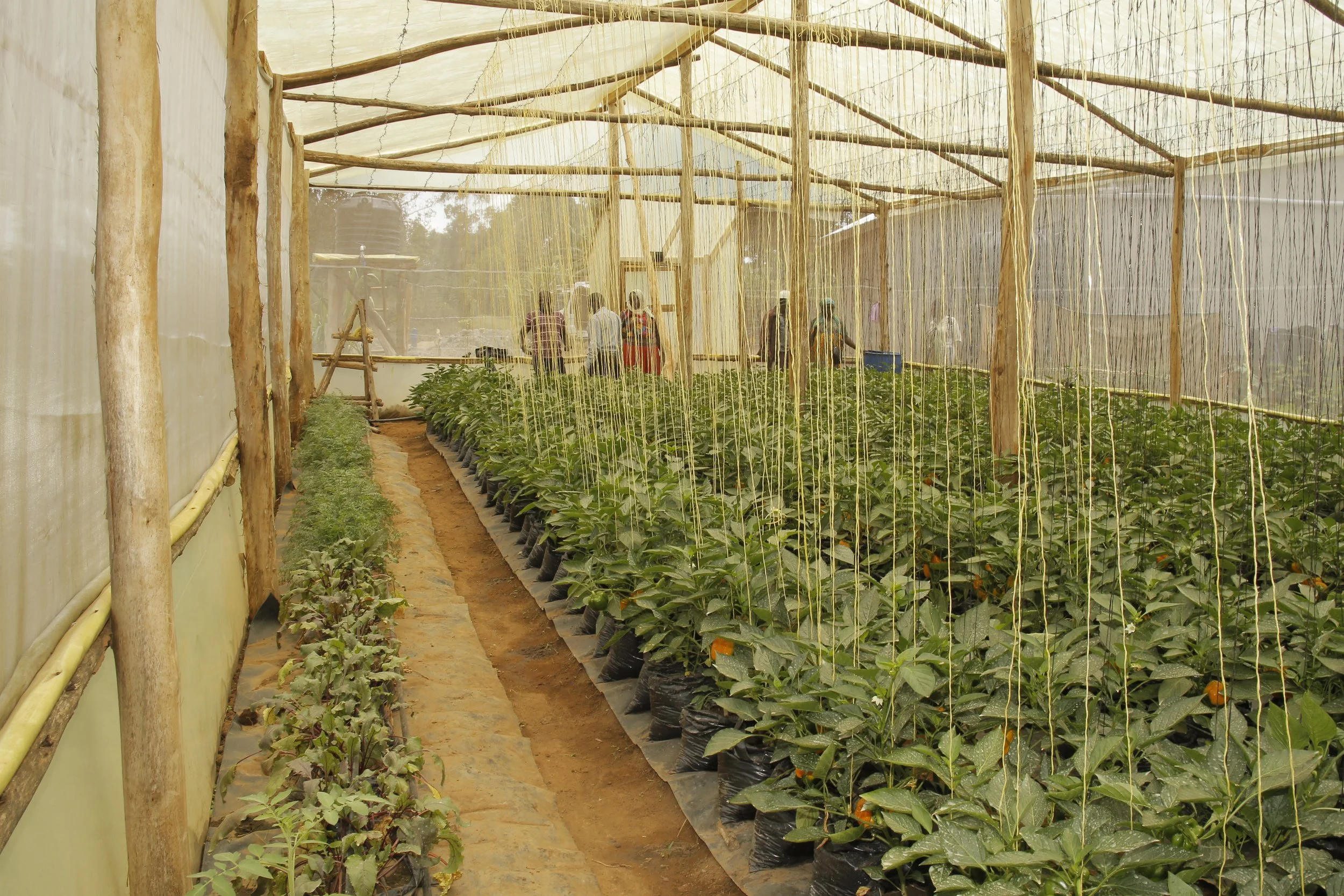
The program brought agriculture, clean water, and gender equality together as one integrated response. On the ground, we supported urban farming for refugee and host households, introduced climate-resilient farming practices, and helped families in Ndejje breed local chickens for nutrition and income — reducing dependency on markets, improving dietary diversity, and building resilience against climate and economic shocks. Alongside this, we expanded access to clean drinking water and raised awareness around hygiene and sanitation, weaving WASH efforts into nutrition and health education to protect child survival and maternal health. And because stronger, safer households depend on more than food and water, we worked to address the root causes of vulnerability through community dialogue on gender equality and SGBV prevention, awareness events for women, men, and youth, and community activities — from children's events to sports tournaments to environmental campaigns — that promoted women's leadership.
Together, these efforts reached 100 families in Ndejje, 80% of them refugees from South Sudan, DR Congo, Burundi, and Rwanda, engaging around 800 people in most activities; and 400 families across Ndejje and Kampala, also 80% refugees, reaching around 2,400 people through urban farming, gender equality and SGBV prevention, clean water initiatives, and chicken breeding. Unemployed women and single mothers were a priority throughout, making up roughly 80% of direct beneficiaries.
This program reflects our Two-Generation model and our commitment to the Sustainable Development Goals — because when food, water, and equality come together, families can move from crisis to stability.
Projects
Food and water supply and women's empowerment in times of climate challenges
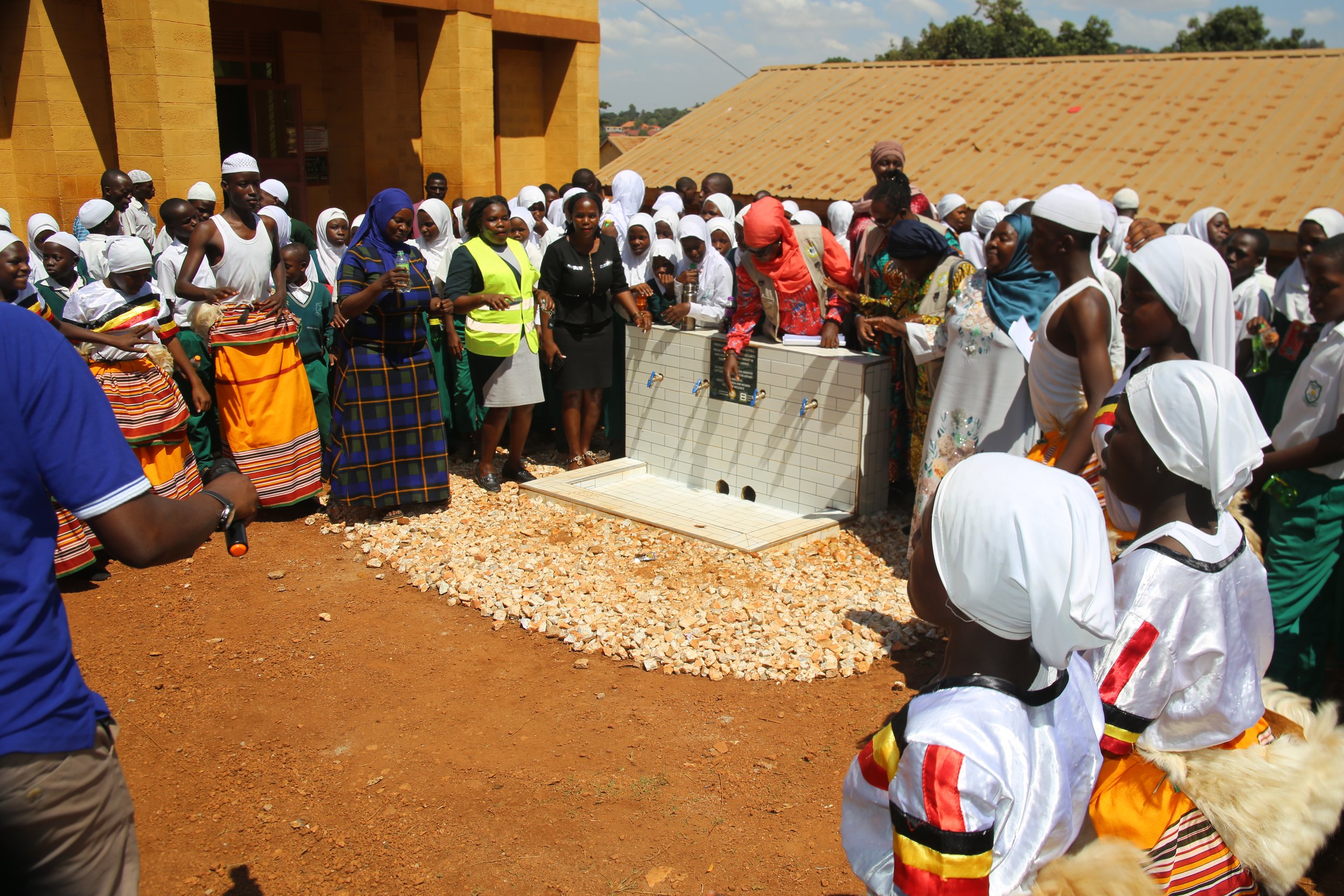
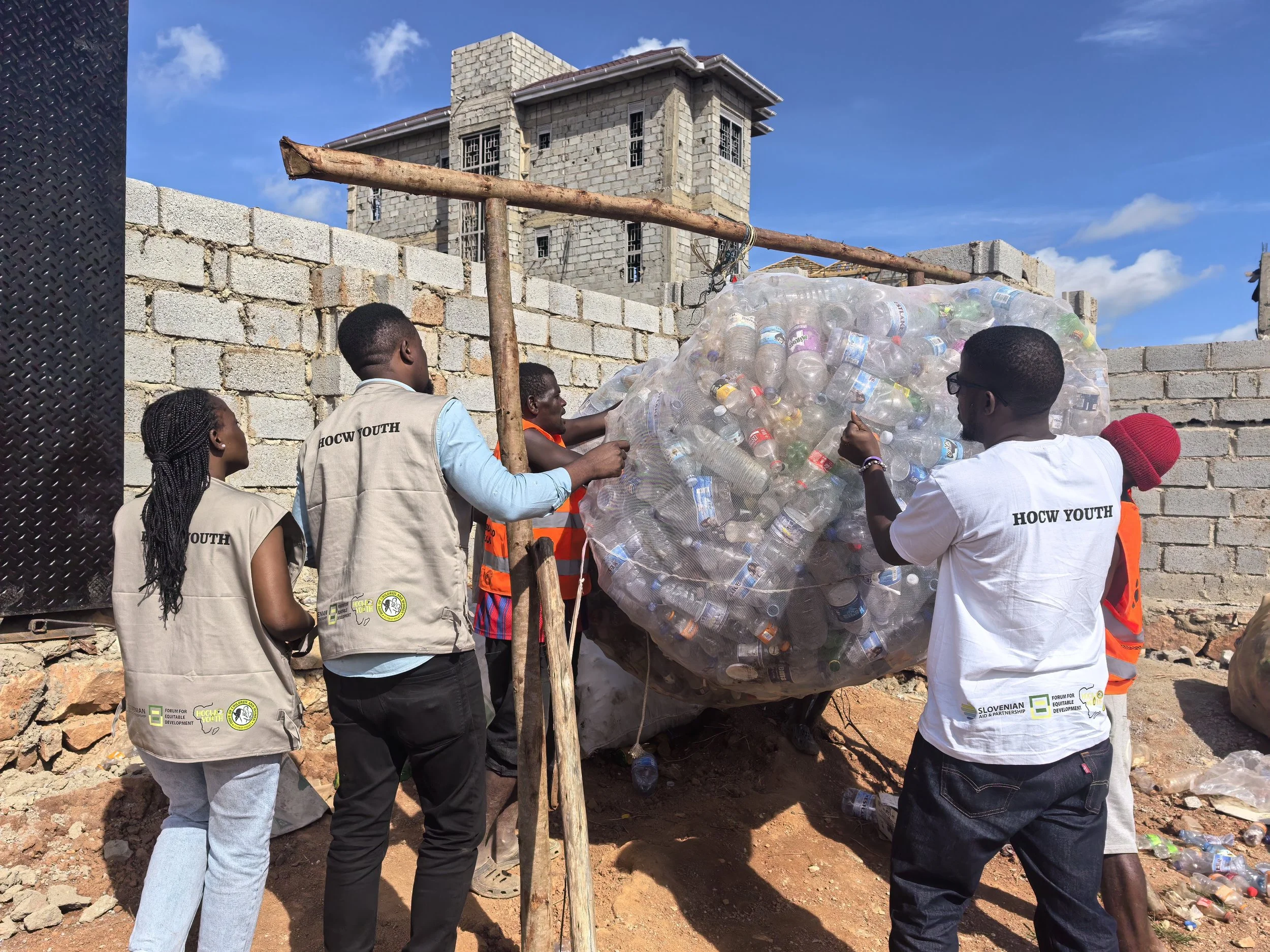
The project is implemented in Uganda through FER’s partnership with three local organizations: Hope of Children and Women Victims of Violence (HOCW), KOWED and REAL. HOCW leads activities in Ndejje Central, while KOWED and REAL work in communities around Kampala.
The project aims to strengthen the resilience of 5,000 people, particularly refugees and vulnerable host communities, by improving access to food, safe water, sanitation and livelihood opportunities while promoting women’s empowerment and gender equality.
Through sustainable activities such as urban farming, mushroom cultivation, aquaculture, beekeeping and eco-briquette production, communities are supported to improve food security and livelihoods. New water wells and water filters help address limited access to safe drinking water, while improved sanitation and sanitary products promote dignity and better hygiene.
The project also provides safe spaces for women affected by violence and supports young people through the HOCW Youth Centre in Ndejje Central, creating opportunities for youth to engage in climate action, equality and community development.
Across all activities, the project integrates gender equality, protection, sexual and reproductive health, climate resilience, and food and water security to help build safer, more resilient and empowered communities.
Project value: EUR 573,500
Project duration: July 2024–October 2026
Project co-financiers: Ministry of Foreign and European Affairs , Limnos, Nefiks, Katende Harambe.
More Food, Water, Health and Equality (Uganda)
We work every day alongside the refugee community in Ndejje, Uganda — and we see firsthand what it means to survive without a safety net. Urban refugees here fall outside the reach of camp-based aid, yet have no jobs, no land of their own to farm, no health insurance, and no maternity care. Many are still carrying the trauma of the violence they fled, living with fear and mental distress they have nowhere to turn with. Too many families simply don't know how they will make it through.
Through this project, we aim to reach at least 3,500 vulnerable people with the basics of a decent life: food, clean water, and access to reproductive and mental health care.
Together with our partner FER, over January 2026–September 2028 we will:
Improve food security and nutrition for 280 families, plant 200,000 trees, and help families save up to 40% through greening initiatives
Provide 3,500 people with access to safe drinking water through 5 new wells
Work with 10 schools — reaching 10,000 students and training 1,520 teachers and parents/guardians through 10 school clubs — to build understanding of gender-based violence, sexual and reproductive health rights, and food security
Open a support center offering sexual, reproductive, and mental health care to 2,000 women and girls
This project builds on years of work we have already done in Uganda alongside FER, but the need keeps growing as the humanitarian crisis continues. Without action on food security and gender-based violence, we know what follows: chronic malnutrition, more violence against women and girls, and deepening poverty for people who have already lost so much. We're determined not to let that happen.
Project value: EUR 528,500
Duration: January 2026–September 2028
Co-financed by: Slovenia's Ministry of Foreign and European Affairs (EUR 500,000), Limnos, Mrož, and Katende Harambe