Building Stronger, Safer and More Resilient Communities in Uganda
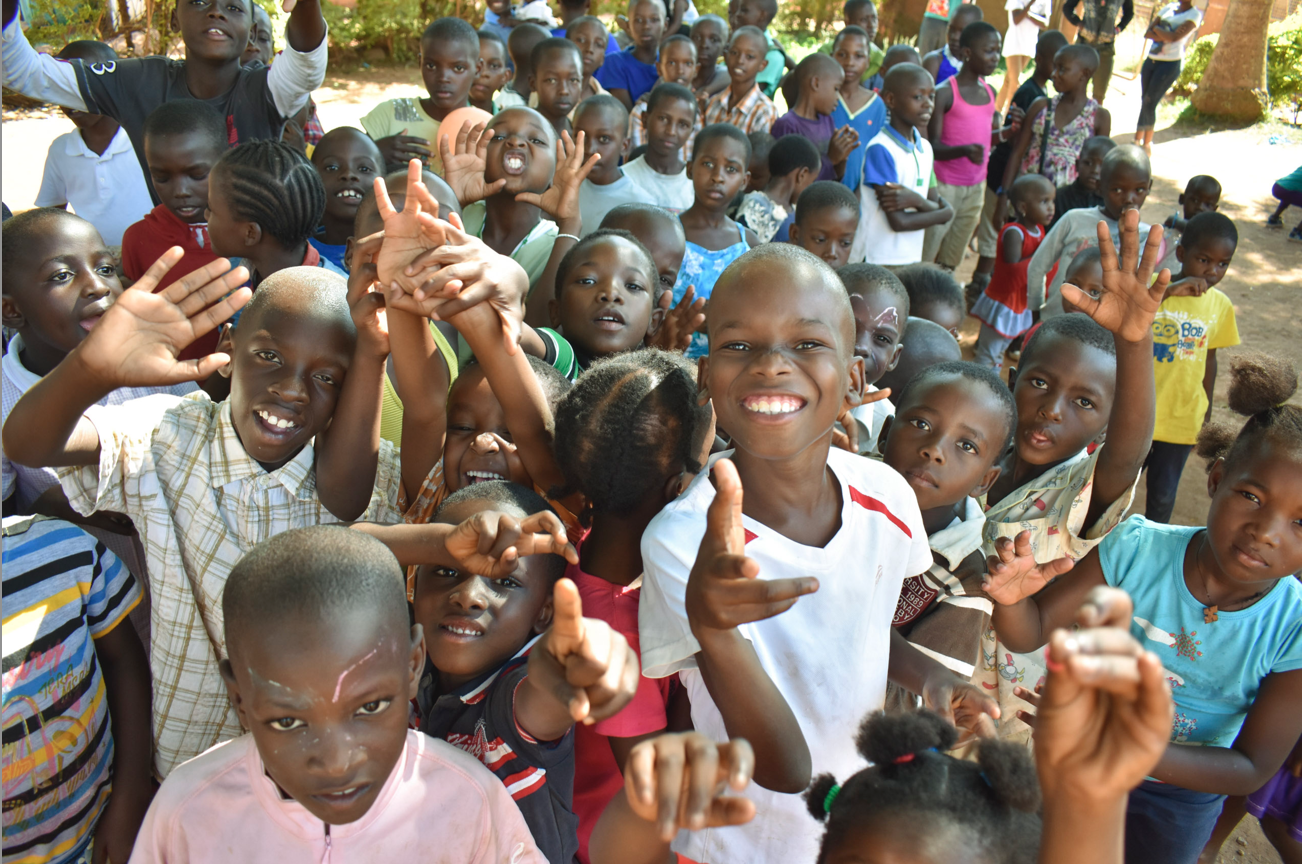
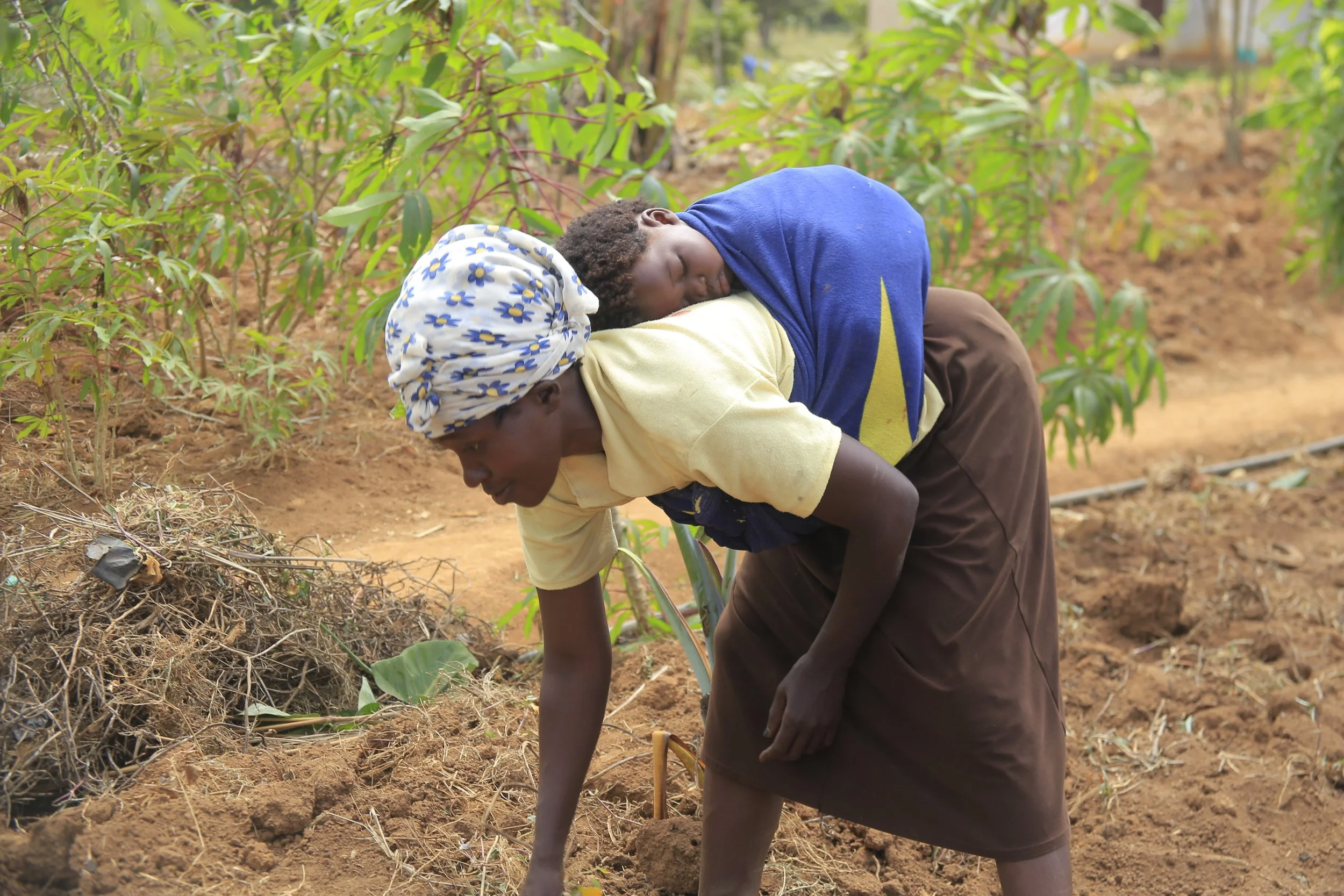
HOCW works with vulnerable communities, including refugees and host communities in Uganda, to create opportunities, strengthen resilience, and improve lives. Through community-led programmes, we support children, women, youth, and families to build safer and more sustainable futures.
Our Mission
To restore safety, dignity and opportunity for women and children affected by violence through an integrated two-generation approach that links protection, early childhood development, health and economic resilience.
Our Vision
A society where children and women live free from violence, exclusion and poverty , and where families achieve lasting stability across generations .
Educationa & Child development
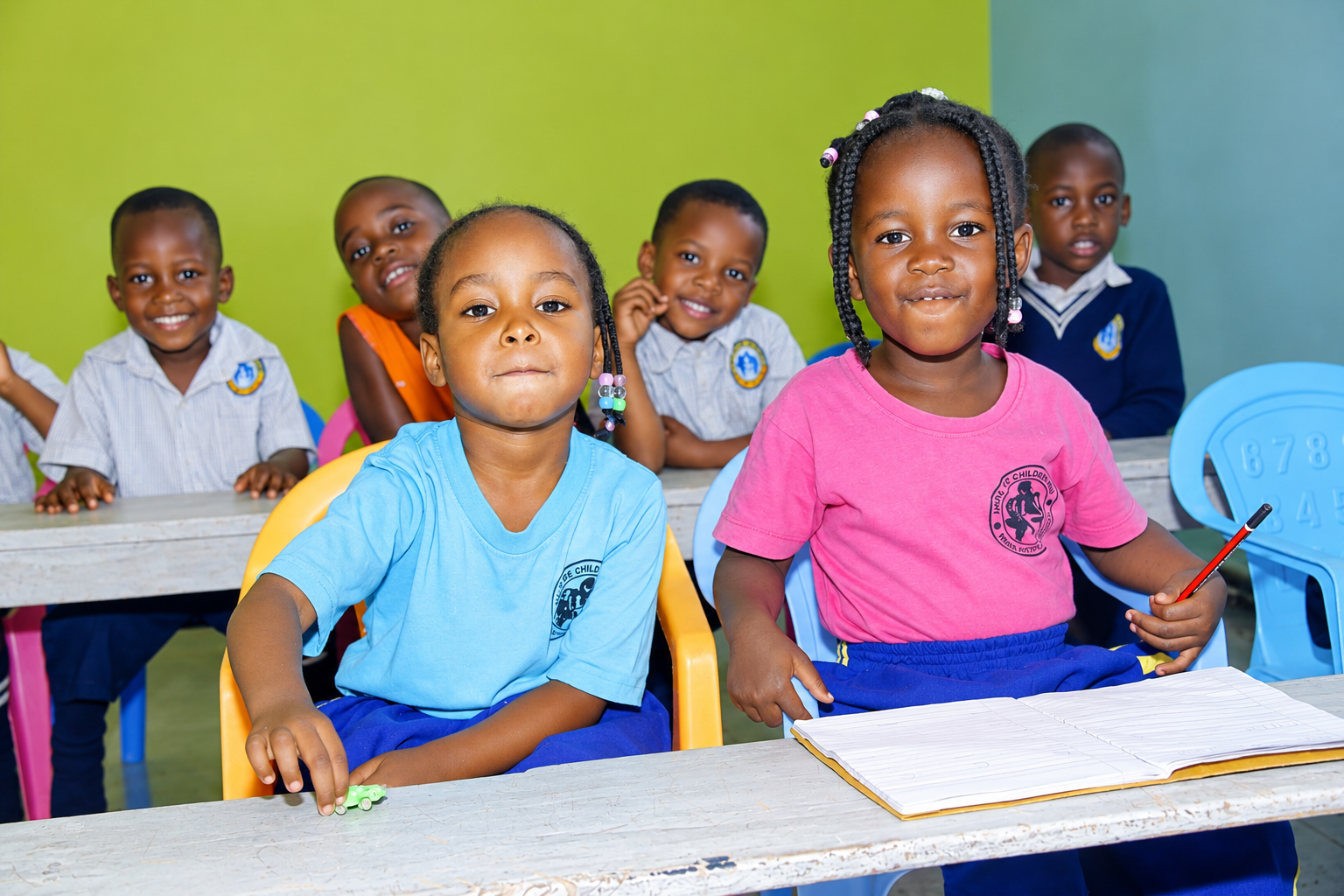
We support children and young people through education, early childhood development, literacy programmes, and creative learning opportunities.
We create safe and supportive learning environments that strengthen foundational skills, confidence, creativity, and lifelong learning.
Agriculture, Food Security & WASH
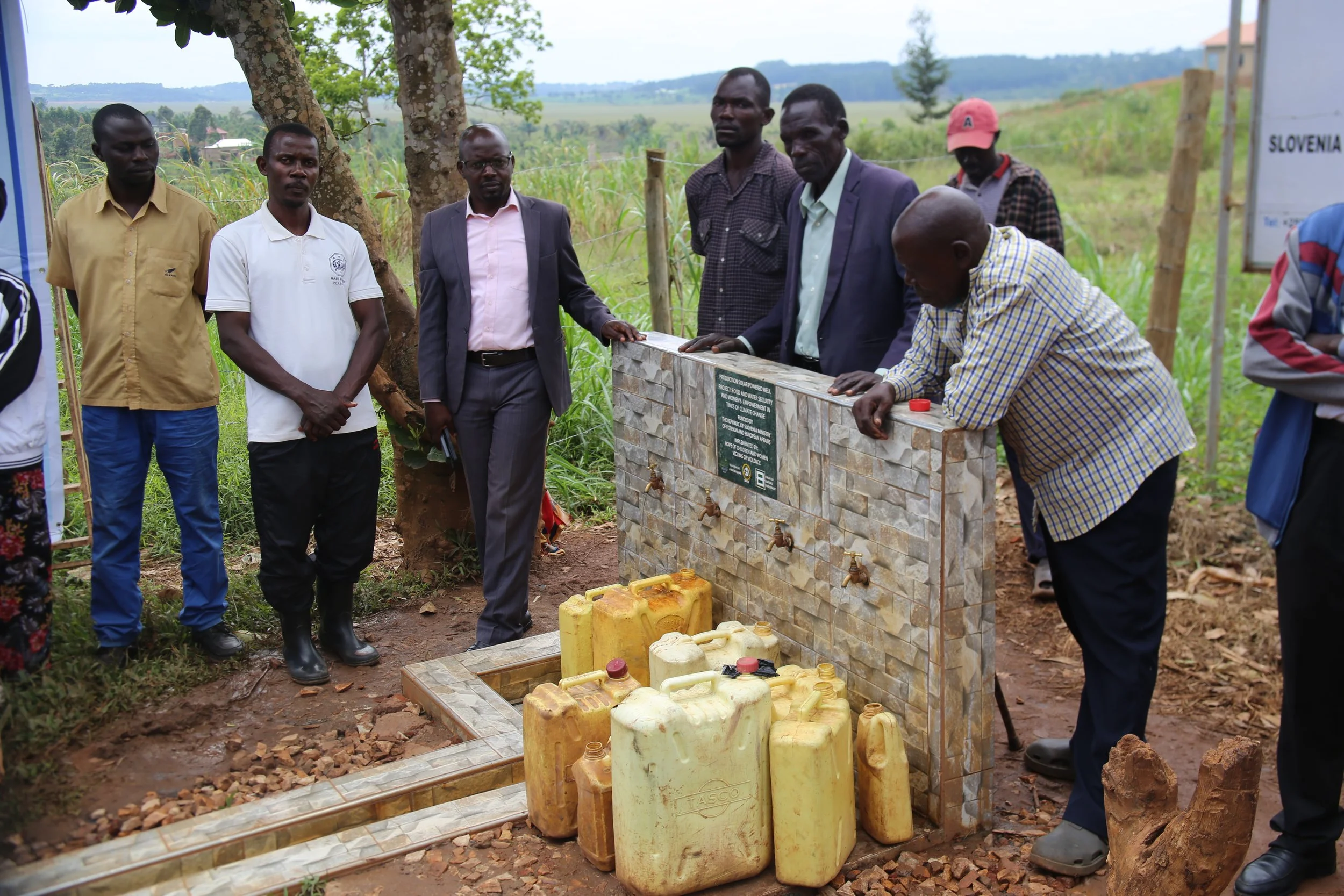
We help communities build food security, access safe water, improve livelihoods and adapt to climate challenges, while advancing gender equality, health and long-term resilience.
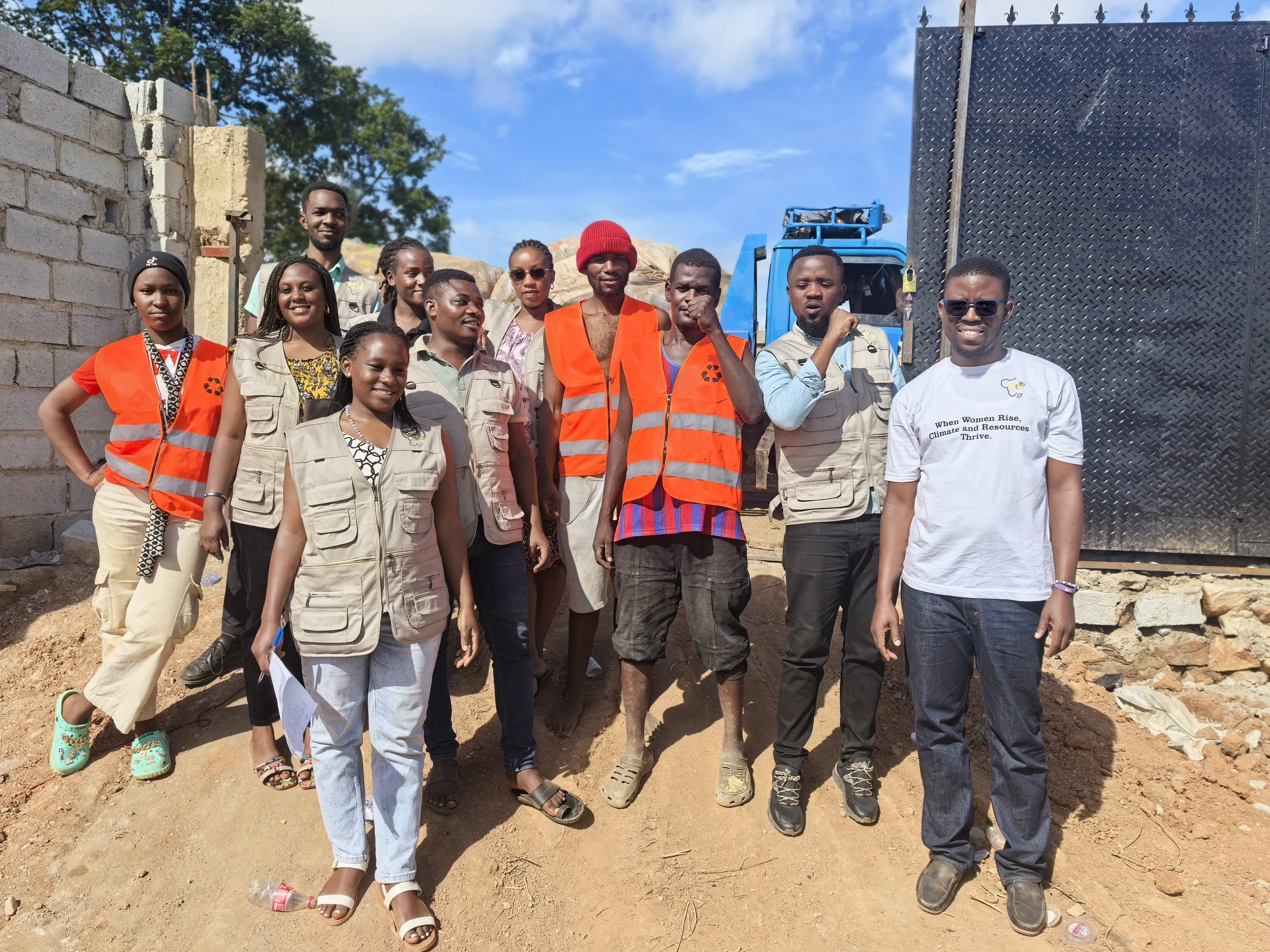
Youth Empowerment & Creative Development
We empower young people to build skills, confidence, and leadership while creating positive change through opportunities in creativity, climate action, gender equality, education, health, entrepreneurship, and community development.
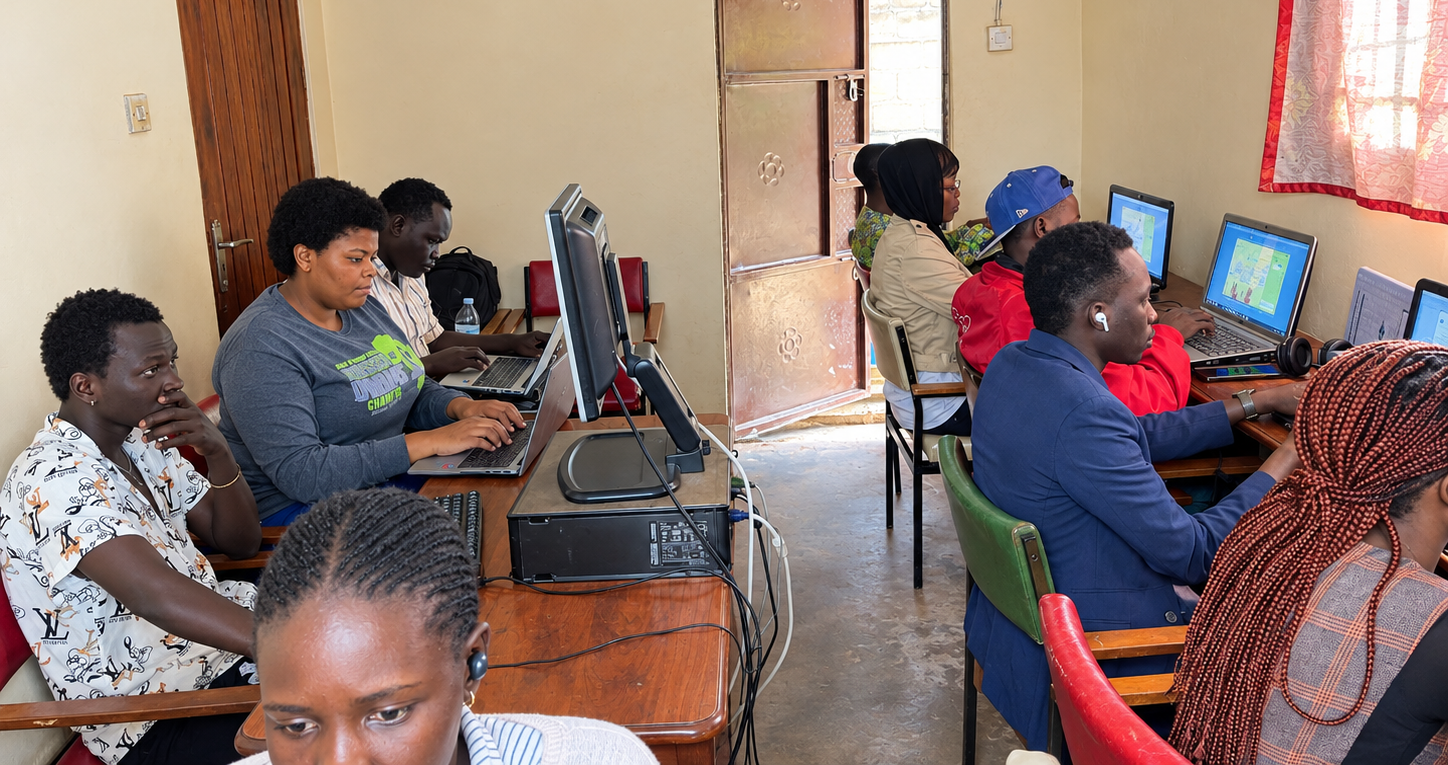
Digital Literacy & Skills
We provide children, young people, refugees, and vulnerable community members with access to computers and basic digital literacy training. By offering hands-on learning, we help bridge the digital gap, strengthen educational opportunities, and prepare students, especially those heading to university, with essential computing skills for their studies and future careers.
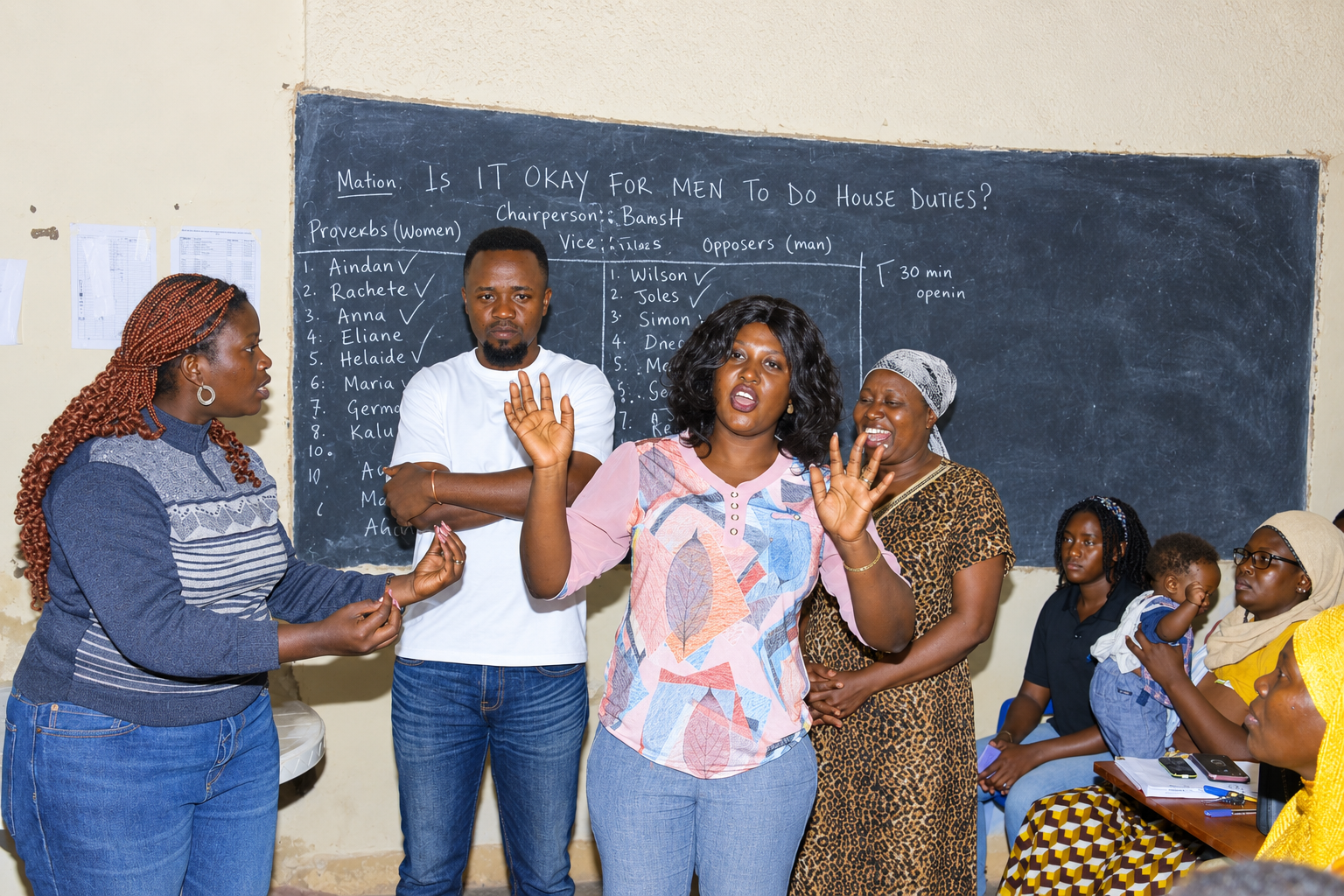
Language & Integration
We provide English, Kiswahili, French and Luganda language courses to help refugees and host communities improve communication, access opportunities, and build confidence, inclusion and self-reliance.
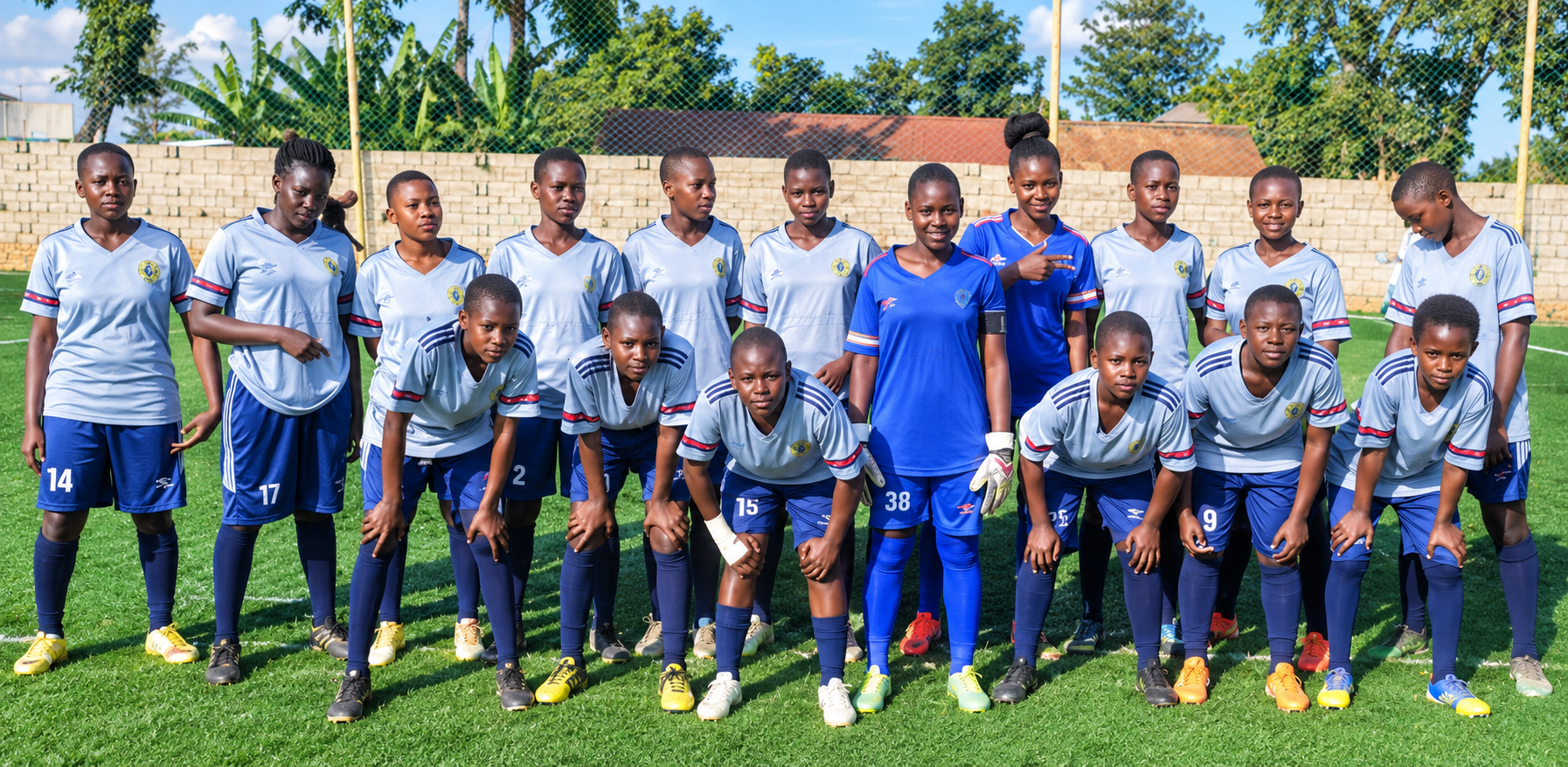
Women, Girls & Community Empowerment
We empower women, girls and communities through sports, creative arts, awareness activities and safe childcare. Our programs build confidence, leadership and inclusion while promoting gender equality, health awareness, protection and community participation.
Health & Wellbeing
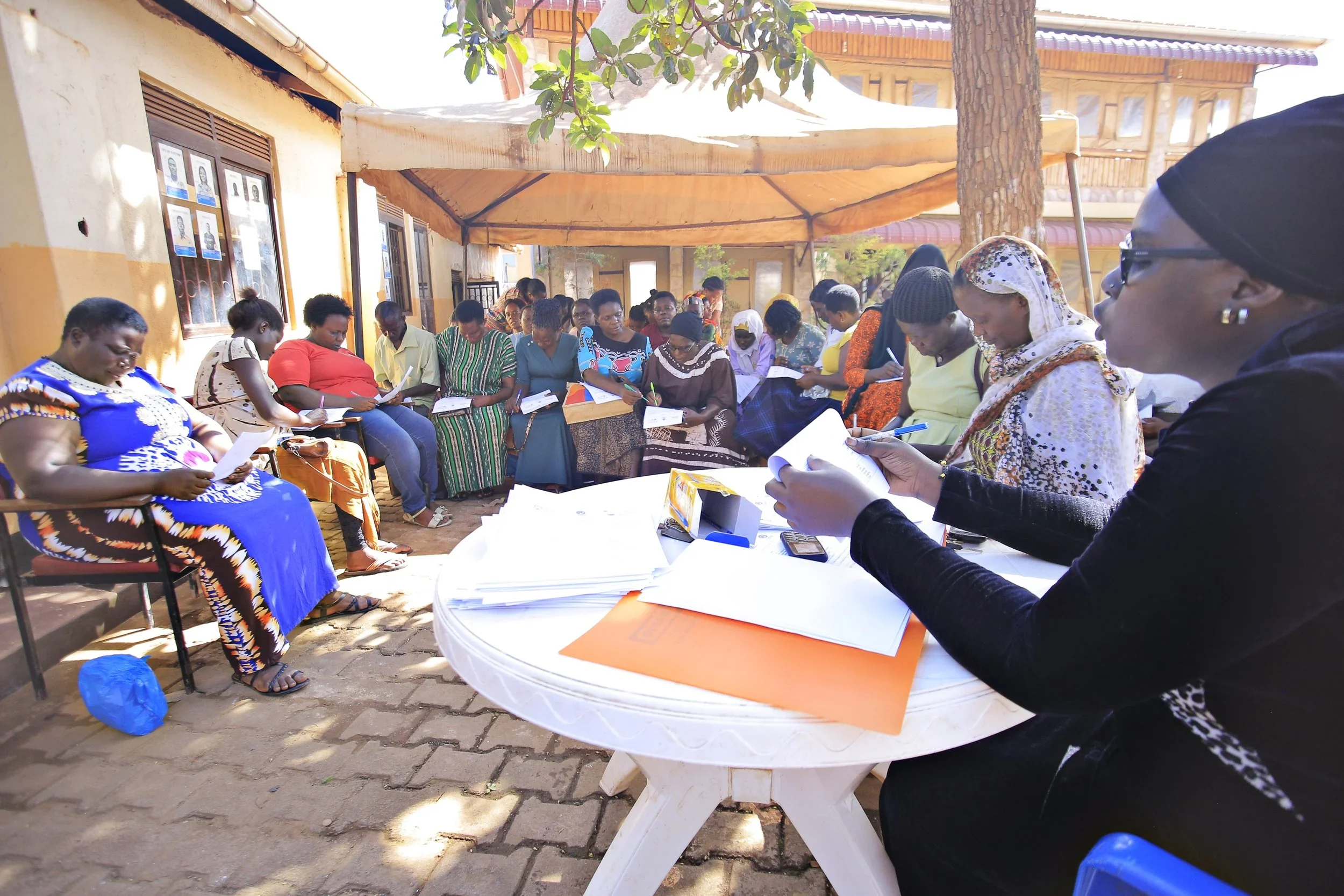
We promote the health and wellbeing of women, children, and families through maternal healthcare, health education, counselling, psychosocial support, and preventive services. Our programs provide safe spaces, knowledge, and support to help communities live healthier and more resilient lives.
Economic Empowerment & Sustainability
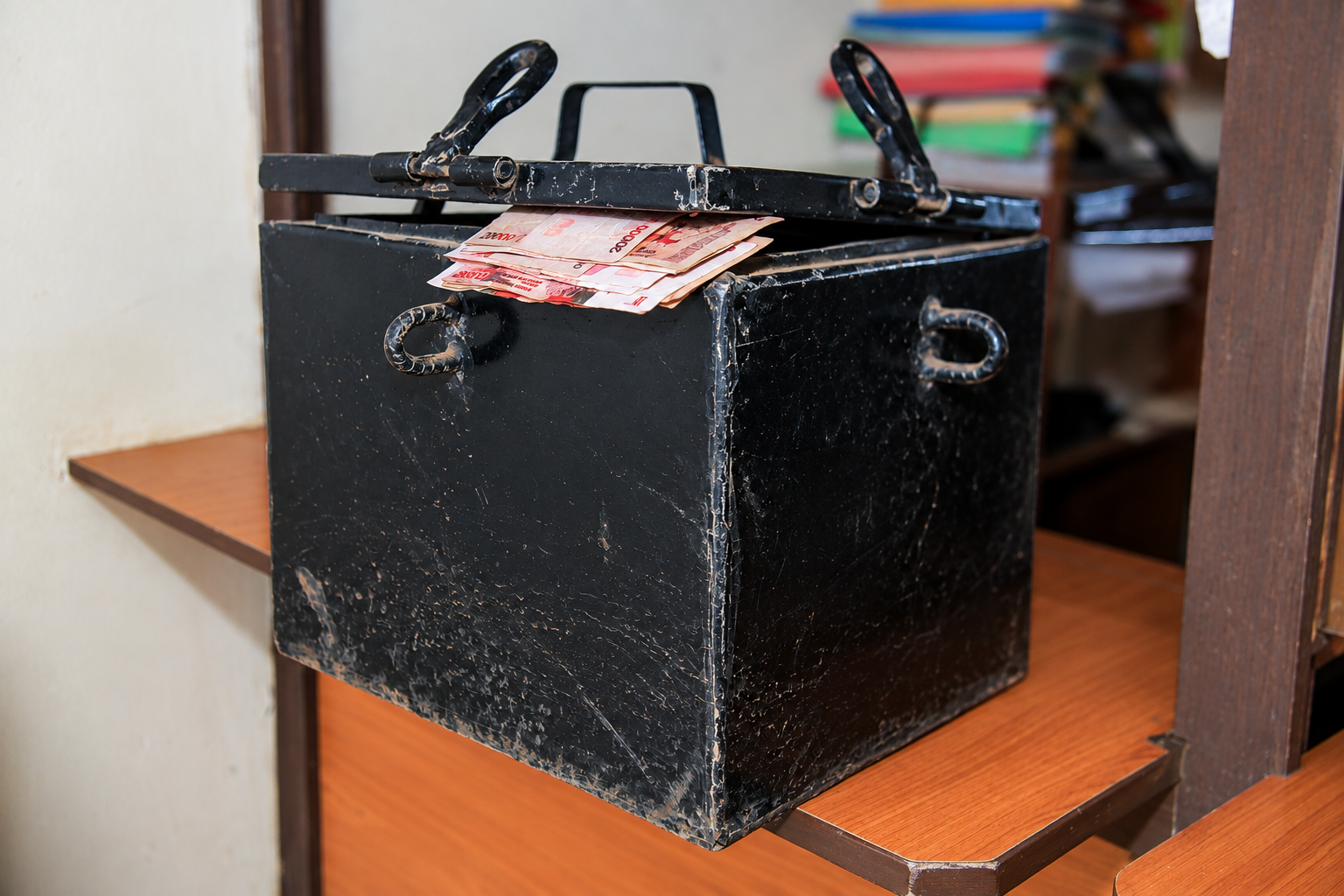
We support women survivors of violence, adolescent girls, refugees, and vulnerable caregivers to build skills, income, and financial independence through business and financial literacy, tailoring, hairdressing, savings and credit, and other livelihood opportunities.
We also develop community-based social enterprises, such as Citizen Café, to create income and strengthen HOCW’s long-term sustainability.
OUR IMPACT IN NUMBERS
People Reached
Years of Experience
Community Activities
Our Home