
HOCW was founded in 2008 in Uganda, but our story begins twenty years earlier in the Democratic Republic of the Congo.
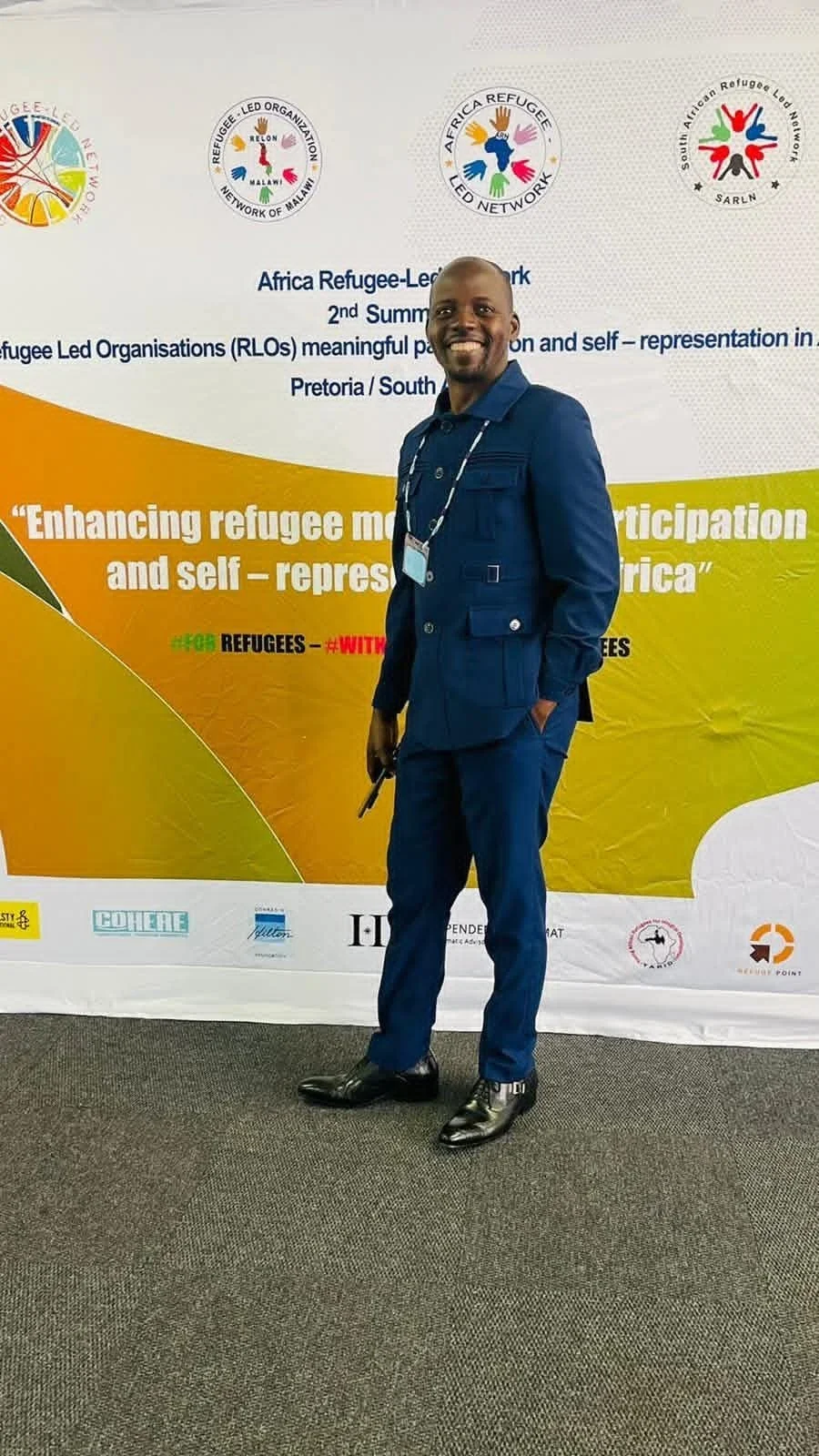
In 2000, amid escalating armed conflict in the DRC, Bolingo was forced to flee his home country and seek refuge in Kampala, Uganda. What he found on arrival was extreme vulnerability. For nearly a month, he lived on the streets alongside other refugees, without food, clean water, or shelter — sleeping some nights in abandoned buses along the roadside. That experience shaped his understanding of displacement, dignity, and survival in ways that would define the rest of his life's work.
A turning point came when he encountered a Catholic priest who mobilized support to move homeless refugees into a school compound, restoring a measure of safety and stability. From that initiative grew Agape Pendo La Mungu — "God's Love" in Kiswahili. Bolingo was appointed House Manager, a role he held from 2003 to 2005, overseeing
daily care, protection, and coordination for refugee families. When funding challenges eventually forced the organization to close, he stayed committed to the people he'd come to serve, continuing to support ten individuals through the priest's personal assistance.
Professional Growth and Organizational Leadership
In 2005, Bolingo joined the Promotion of Education and Defence of Refugee Rights in Uganda (PEDRRU), where he served as Operations Director until 2008. There, he built hands-on expertise in organizational leadership, refugee protection, program coordination, and advocacy. When PEDRRU, too, closed due to funding constraints, Bolingo faced a defining question: how do you continue serving a community you cannot walk away from?
Founding Hope of Children and Women Victims of Violence (HOCW)
That question became the founding vision behind Hope of Children and Women Victims of Violence (HOCW) in 2008. The organization was formally registered and incorporated in 2010.
Built not from theory but from lived experience, HOCW rests on a simple but powerful belief: children cannot thrive unless their caregivers are safe, supported, and economically stable. That belief would later grow into HOCW's Two-Generation Approach — serving women and children together, intentionally, rather than in isolation.
Today, as Founder and Executive Director, Bolingo leads HOCW as a community-rooted, asset-owning organization delivering integrated services in protection, early childhood development, health, psychosocial support, and economic resilience — for women, children, and refugee families across urban Kampala.
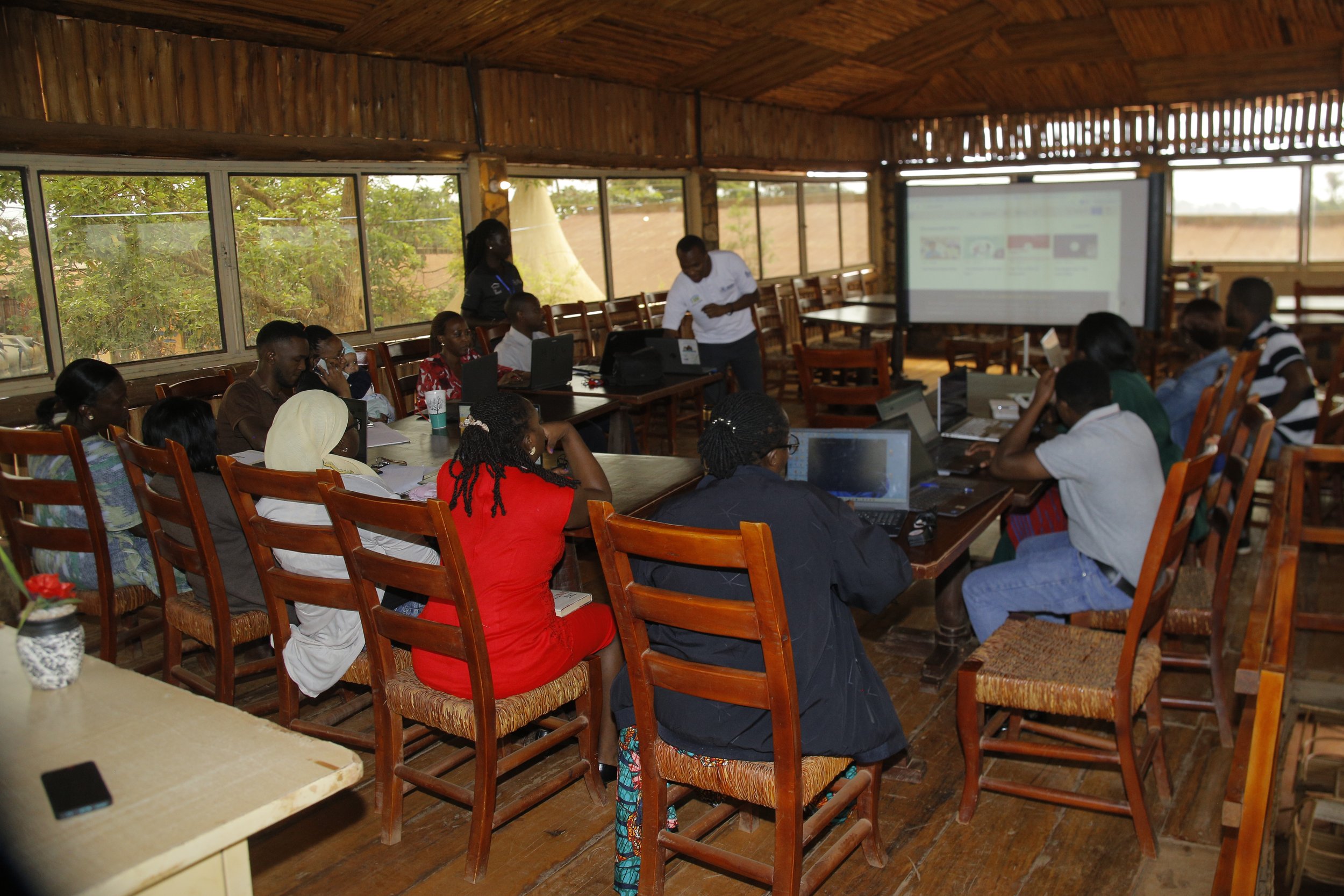
Our team at a Literacy Cloud workshop facilitated by the Reading Association of Uganda (RAU). Through continuous learning and skills-building, we strengthen our ability to teach, empower, and create lasting change in the communities we serve.
At HOCW, we believe that when we learn, we grow — and when we grow together, we build stronger communities. This commitment to learning, service, and empowerment has guided our work since 2008, making HOCW a place where everyone is welcomed, valued, and given the chance to thrive.