Children’s Program

Hope of Children and Women Victims of Violence (HOCW)

HOCW’s Children’s Program is a core expression of its belief that children cannot thrive unless their caregivers are safe, supported, and economically stable. The program delivers age-appropriate, inclusive, and protective services that address children’s developmental needs while strengthening the caregiving environment through HOCW’s Two-Generation approach.

Services are delivered on HOCW-owned land and facilities in urban Kampala and are closely integrated with protection, health, and economic resilience programs for caregivers.


1. Early Childhood Development (0–2 Years)

Program Focus

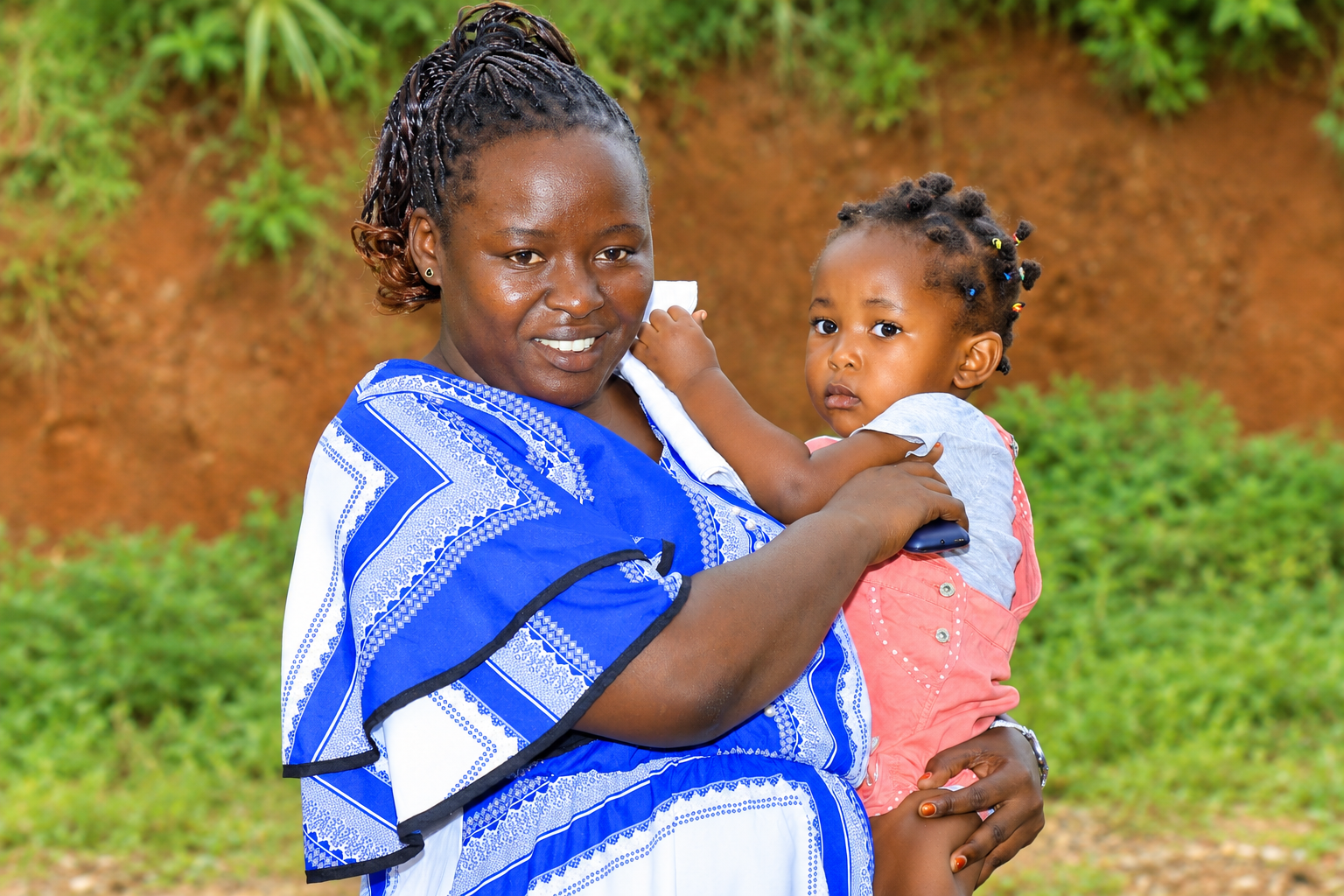
The Early Childhood Development (ECD) program for children aged 0–2 years focuses on the most critical period of brain development, attachment, and early wellbeing. This stage lays the foundation for lifelong learning, health, and emotional regulation.

Key Components

  • Safe, nurturing childcare environment

  • Responsive caregiving and early stimulation

  • Support for maternal and infant bonding

  • Integration with maternal, newborn, and child health (MNCH)

  • Nutrition monitoring and early feeding support

  • Early identification of developmental delays and disabilities

By providing quality care for infants and toddlers, the program enables caregivers—especially women survivors of violence and young mothers—to:

  • Access protection, counseling, and health services

  • Participate in livelihoods, skills training, and education

  • Recover from trauma while maintaining secure attachment with their children

This component ensures early protection, healthy development, and caregiver stability from the very beginning of a child’s life.

2. Kindergarten Program (3–5 Years)

Program Focus

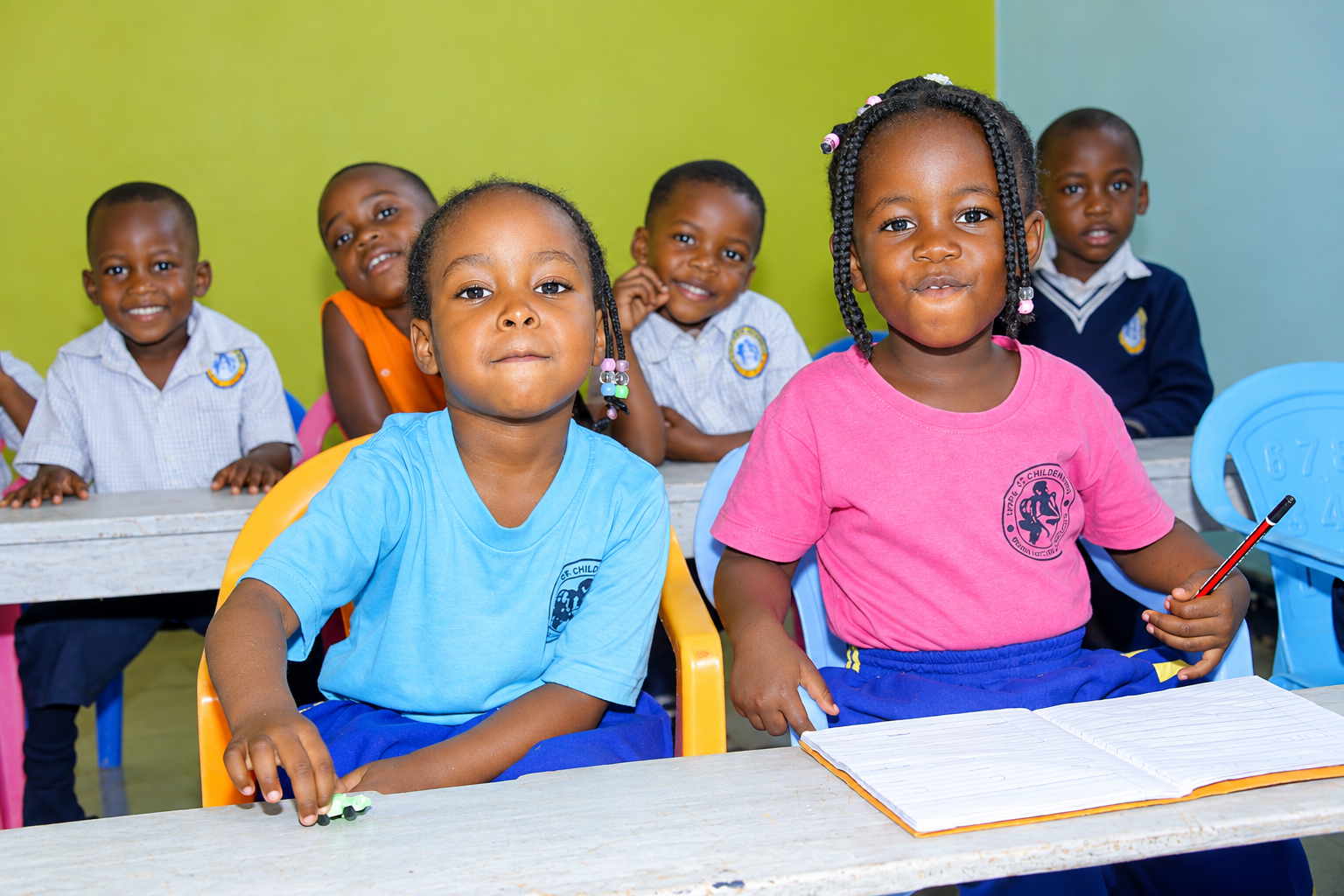
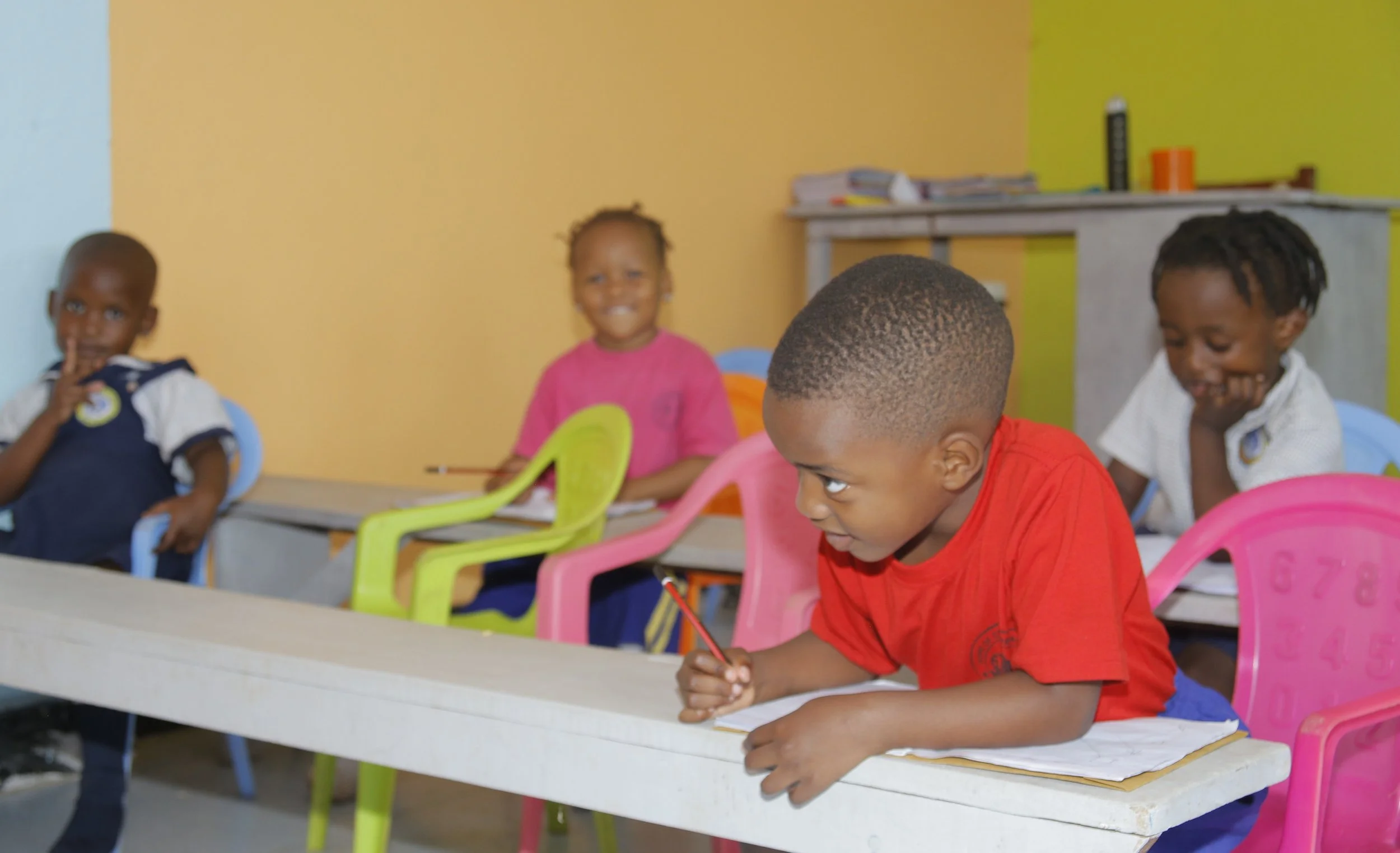
The Kindergarten Program for children aged 3–5 years provides structured early learning that prepares children for primary education while supporting social, emotional, and cognitive development in a safe and inclusive environment.

Key Components

  • Age-appropriate early learning curriculum

  • Play-based learning and school readiness activities

  • Socialization, communication, and emotional development

  • Inclusive education approaches, including support for children with disabilities

  • Child protection and safeguarding systems

  • Daily routines that promote nutrition, hygiene, and wellbeing

The Kindergarten Program allows caregivers to:

  • Engage in income-generating activities and vocational training

  • Access business classes, SACCO services, and health care

  • Stabilize household income while children learn in a protected setting

This stage strengthens the learning pillar of HOCW’s pathway and prevents early educational exclusion, particularly for refugee and vulnerable children.


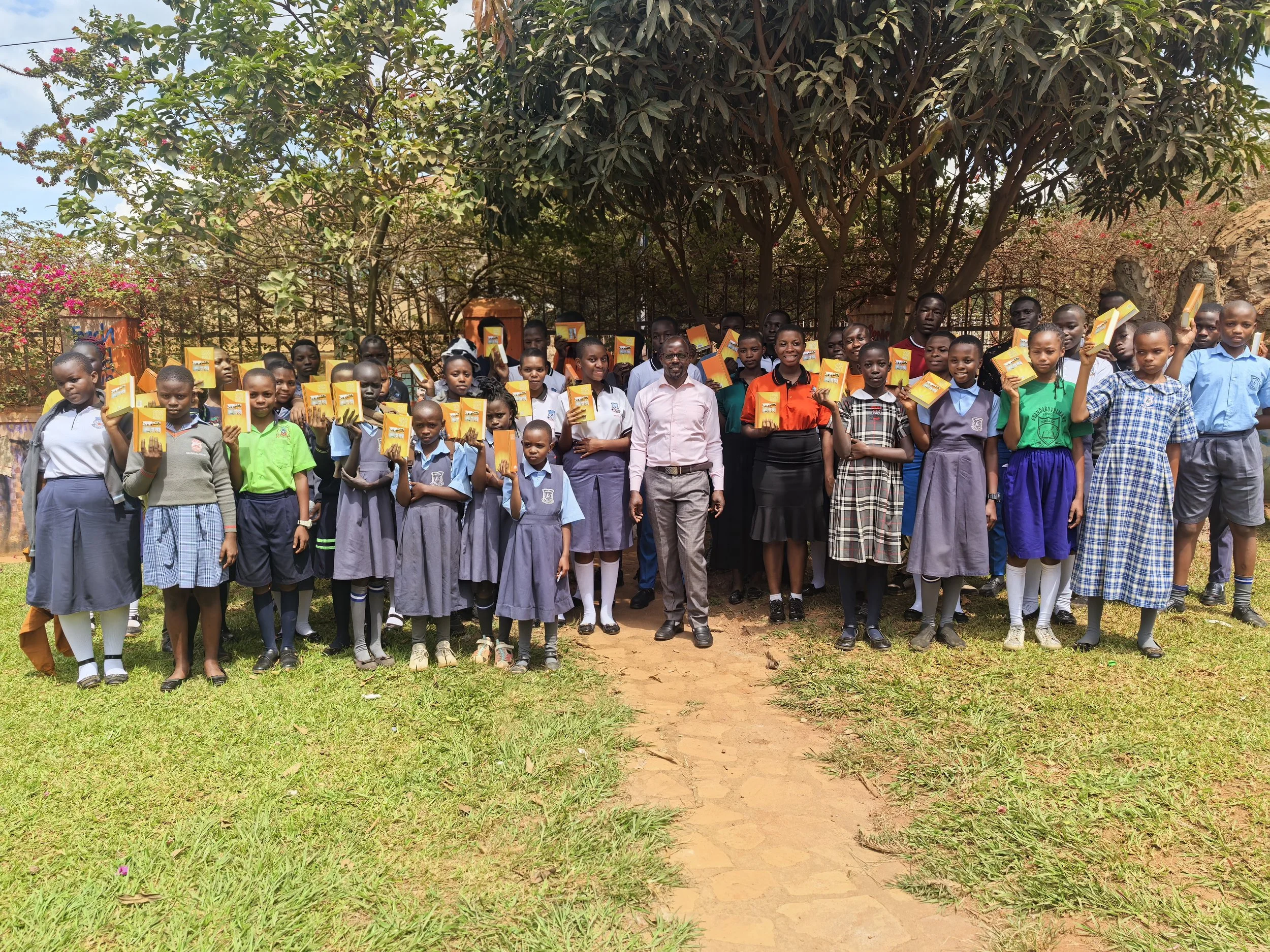
3. Sponsored Children Program (Primary to University)

Program Focus

The Sponsored Children Program supports children from primary school through tertiary and university education whose families face extreme vulnerability due to violence, displacement, poverty, or disability.

Sponsorship is not limited to school fees, but is embedded within HOCW’s broader family-centered support system.

Key Components

  • School fees and educational materials

  • Continuous monitoring of academic progress

  • Psychosocial support and mentoring

  • Coordination with caregivers to strengthen home learning environments

  • Transition support for adolescents and youth into higher education or vocational pathways

Currently, HOCW supports children from primary level through university under this sponsorship model.

Educational sponsorship is paired with:

  • Economic resilience support for caregivers (skills training, SACCO access)

  • Health, SRH, and MHPSS services

  • Parenting support and safeguarding

This integrated approach ensures that educational investment is sustained and protected, reducing dropout rates and supporting long-term family stability.