Language & Integration Program
Hope of Children and Women Victims of Violence (HOCW)
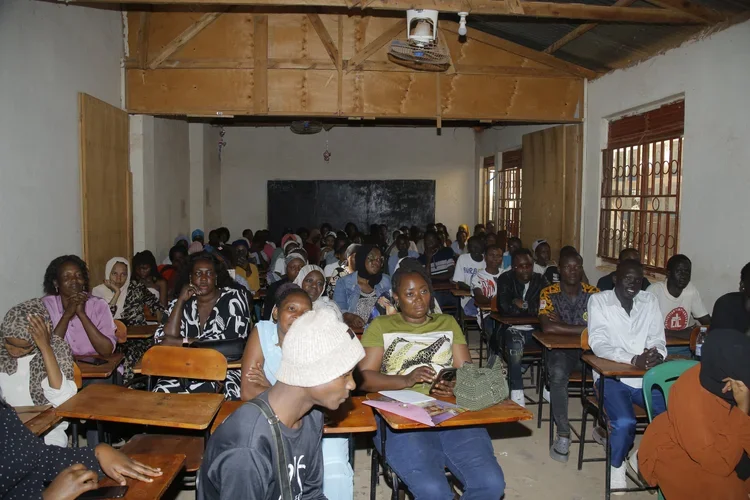
Language access is a critical pathway to protection, inclusion, and economic resilience for women, adolescents, and refugee families. In Kampala's highly multilingual urban environment, limited language skills can deepen exclusion, restrict access to essential services, and delay recovery and self-reliance.
To accelerate social and economic integration, HOCW offers structured language training that responds directly to the linguistic realities of refugee and host communities.
Program Focus
HOCW provides instruction in four key languages:
English
Uganda's official language and the primary language for education, employment, and formal public services.
Kiswahili
A widely spoken regional language essential for daily interaction, mobility, and cross-border integration in East Africa.
French
A critical language for refugees from French-speaking countries, particularly the Democratic Republic of Congo, supporting continuity in learning and integration.
Luganda
The dominant local language in Kampala, essential for community interaction, informal livelihoods, and access to local services.
Language instruction has proven invaluable in helping participants access livelihoods, education, health services, and durable solutions.
English Language Levels
The English program is delivered in three progressive levels:
Classes prepare learners for the UNHCR English proficiency examination. Upon completion, participants receive certificates of proficiency that strengthen applications for employment, vocational training, education, and resettlement opportunities.
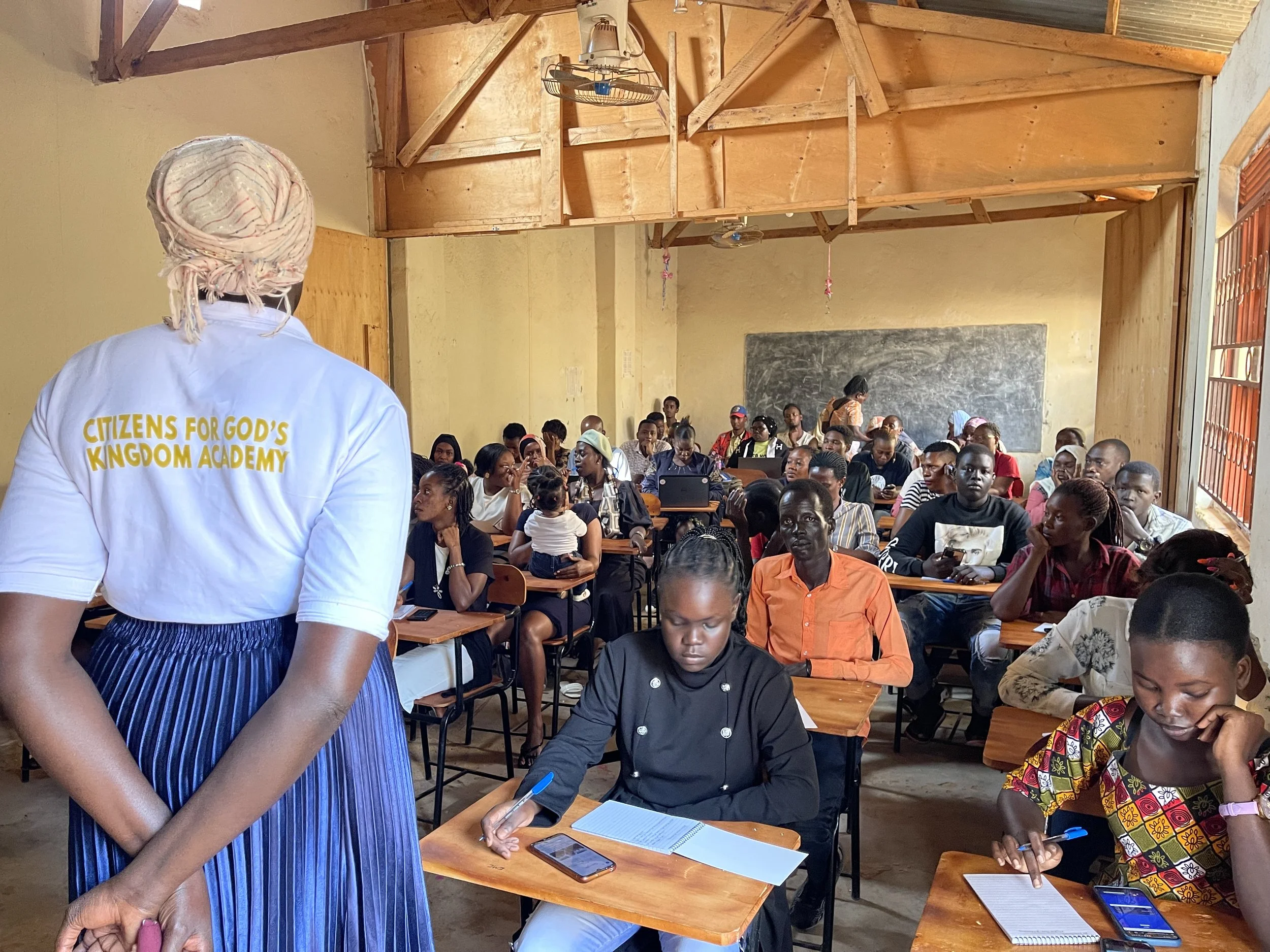
Learning Beyond the Classroom
To reinforce practical language use, HOCW provides complementary learning spaces:
Weekly Friday debates
Building learners' confidence, public speaking skills, and critical thinking.
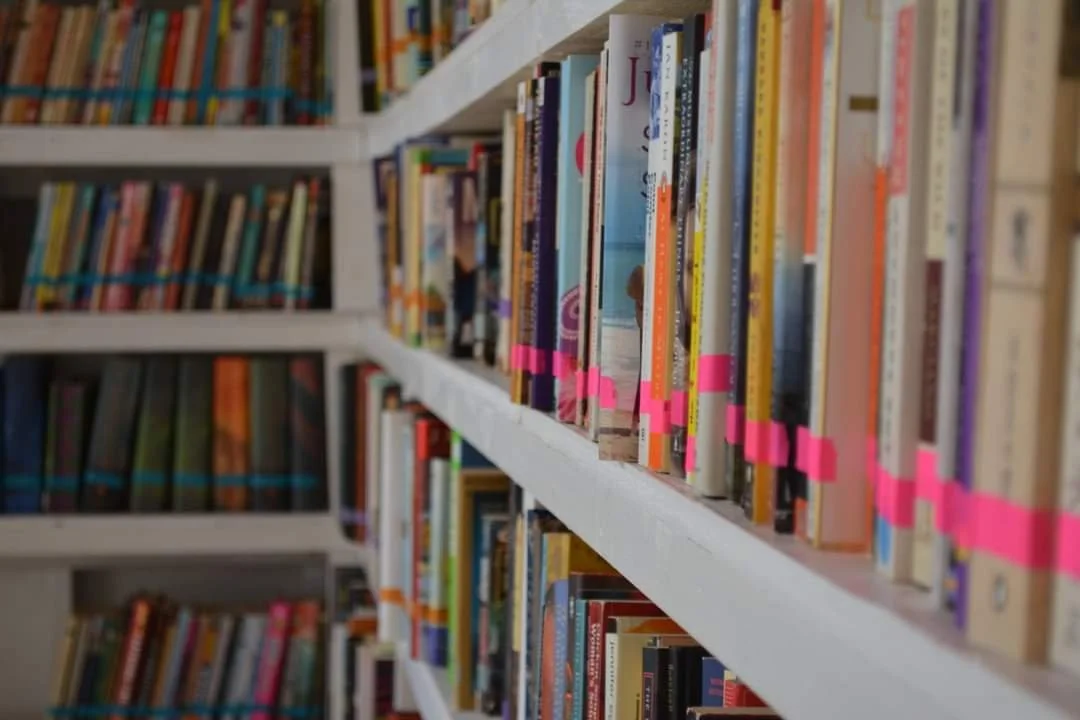
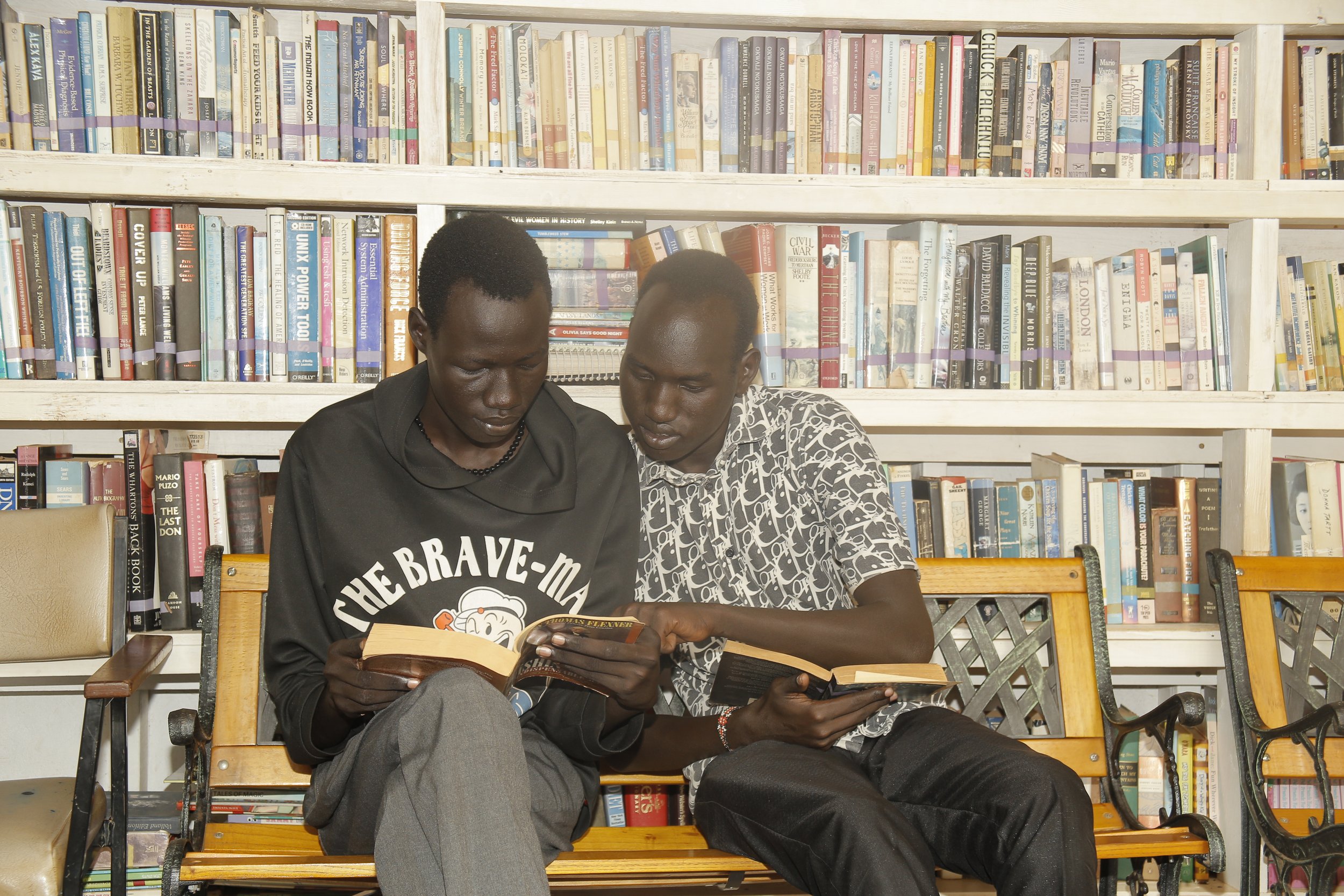
A community library
of approximately 5,000 books
Supporting independent learning and literacy development.
These activities build real-life communication skills essential for integration, self-advocacy, and participation in community life.
Alignment with HOCW's Two-Generation Model
The Language & Integration Program directly supports:
- Women's economic resilience — improving employability, business communication, and market access
- Adolescent development — supporting education continuity, confidence-building, and social inclusion
- Family stability — enabling caregivers to navigate schools, health systems, protection services, and local authorities on behalf of their children